
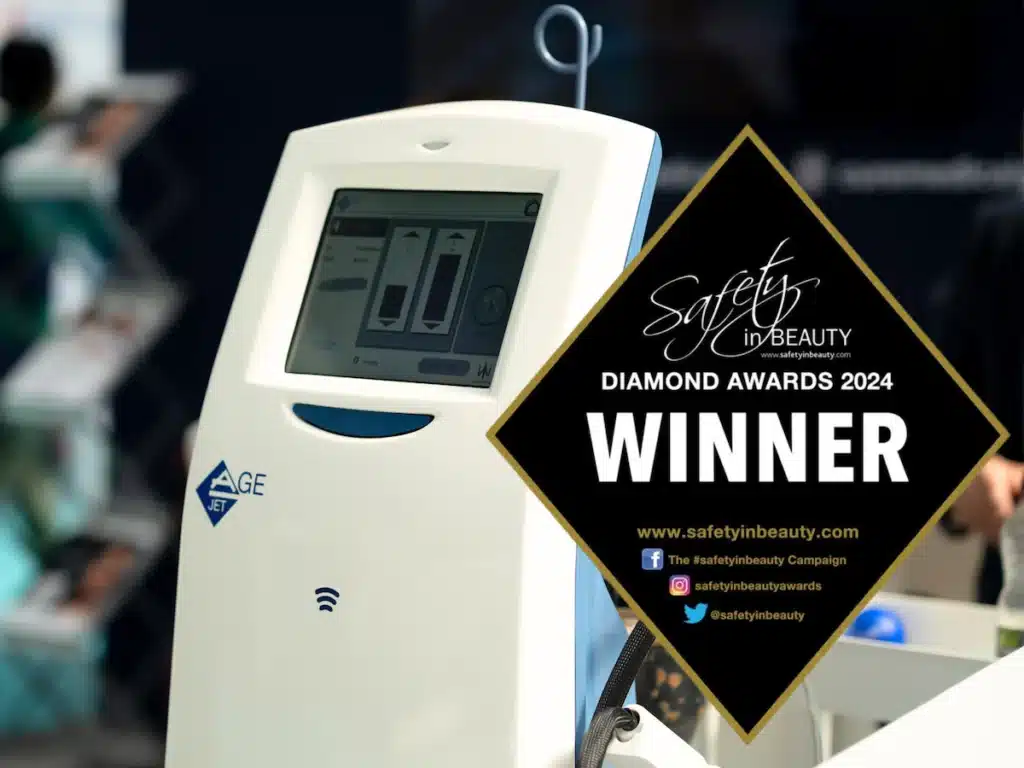
Nitrogen plasma treatment is becoming one of the most sought-after technologies in aesthetic medicine. Clinics are turning to it as a way to expand their treatment offering, while patients see it as a powerful yet gentler alternative to lasers and more aggressive resurfacing. Much of this momentum comes from AgeJet, the award-winning nitrogen plasma device distributed exclusively in the UK and Ireland by Cure Medical.
If you’re curious about what nitrogen plasma actually is, how it works, and why it’s different, this guide breaks down everything in a clear, accessible way, for both clinic owners and patients.
The first change happens on the surface. The epidermis gently tightens, before gradually shedding old or damaged skin over the days that follow. This is what gives the initial improvement in texture and brightness that patients notice quite quickly.
As the outer layer renews, the skin starts to look fresher, clearer and more refined, often with a reduction in visible roughness and sun damage.
A deeper process then begins below the surface. Thermal energy stimulates fibroblasts, encouraging them to produce new collagen and elastin. This slow, progressive remodelling strengthens the skin and improves firmness, helping to soften fine lines and signs of laxity over time.
Because this process unfolds gradually, many patients report that their skin continues to improve for weeks and months after their treatment, rather than peaking and fading quickly.
AgeJet is designed to create nitrogen plasma directly within its handpiece. This ensures that each pulse delivers a consistent, predictable amount of energy. The control it offers is one of the reasons practitioners value the device, especially when tailoring treatments.
During a session, the practitioner moves the handpiece methodically across the treatment area, delivering a series of pulses. Each pulse provides a carefully calibrated dose of thermal energy. Patients typically feel warmth or a brief sensation of heat, but the skin’s barrier remains intact during the initial stages of healing.
This precision allows practitioners to work confidently around sensitive or complex facial contours, including areas around the eyes and mouth.
Over the following days, a visible resurfacing occurs as older cells shed, leaving the complexion smoother and brighter. Mild dryness or flaking may occur, depending on the intensity of the treatment, but this is usually manageable with appropriate aftercare.
In the weeks that follow, collagen and elastin build beneath the surface. This internal regeneration is what creates the longer-term changes in skin firmness, elasticity and overall quality.
AgeJet’s settings allow practitioners to deliver light, moderate or intensive protocols. A patient looking for a subtle refresh with minimal downtime may opt for a lighter treatment, while someone with more advanced photoageing or textural concerns might choose a stronger protocol. This flexibility gives clinics a lot of scope to personalise care without needing multiple devices.
Lasers rely on light energy and must target chromophores such as melanin or water. This means their suitability depends on a patient’s pigmentation and skin type, and there is always a consideration of how that energy will interact with those structures. They also often create fractional or pinpoint patterns across the skin.
Nitrogen plasma bypasses this entirely. Because it uses pure thermal energy, it does not depend on pigment and can be used safely on a broader range of skin tones. This gives practitioners more freedom when treating a diverse patient base.
Radiofrequency and microneedling approaches commonly rely on needles or electrical currents to create controlled injury within the skin. These methods can be extremely effective, but they may not be ideal for patients who prefer not to have needle-based treatments or who are anxious about puncturing the skin.
Nitrogen plasma instead delivers its effect through a uniform thermal interaction at the skin’s surface, without needles. For needle-shy patients, this can make nitrogen plasma a more approachable option.
One of its strongest selling points is versatility. With AgeJet, clinics can offer a spectrum of treatments, from no-downtime skin refreshers to deeper resurfacing protocols. This allows you to design tiered packages, seasonal promotions and long-term treatment plans without investing in multiple platforms.
It also means you can meet patients where they are: someone new to aesthetic treatments can start with a lighter protocol, while more experienced patients can choose a stronger approach.
From a business perspective, AgeJet combines relatively low consumable costs with premium treatment pricing. Patients often book follow-up sessions or package courses, and many will combine nitrogen plasma with other services such as skincare, exosomes or LED therapy.
Because results develop over time, patients tend to stay engaged with the clinic for reviews, maintenance and complementary treatments. This naturally supports long-term retention and recurring revenue.
AgeJet’s industry recognition, including its award for Best Aesthetic Technology at the Safety in Beauty Awards, gives clinics an immediate marketing advantage. Being able to promote an award-winning device helps build trust with new patients and reinforces your clinic’s positioning as a centre for advanced, evidence-based treatments.
Fine lines, early wrinkles and mild to moderate laxity can all be improved with the collagen-stimulating action of nitrogen plasma. The ability to safely treat delicate eyelid skin is particularly valuable, as crepiness and hooding in this area are common concerns.
In selected cases, nitrogen plasma can also help soften the appearance of acne scarring by encouraging gradual remodelling. Over time, many patients notice that their skin feels stronger, thicker and more resilient, rather than thin or fragile.
Because the device can be adjusted to different intensities, practitioners can tailor treatment plans to each individual’s concerns, tolerance for downtime and long-term goals.
The aesthetics industry is moving towards regenerative treatments that support the skin’s natural repair mechanisms, rather than simply masking problems. Nitrogen plasma fits seamlessly into this shift.
It offers meaningful results without the aggressive wounding associated with deep ablation, and it supports long-lasting improvements in skin quality rather than short-lived surface changes. For clinics, it adds a scientifically robust yet patient-friendly option that sits comfortably alongside injectables, skincare and other energy-based devices.
In many practices, nitrogen plasma quickly becomes a cornerstone treatment, something patients ask for by name because they have seen or heard about the results.
So, what is Nitrogen Plasma Treatment?
Nitrogen plasma treatment is an advanced, non-ablative resurfacing technology that uses energised nitrogen gas to renew the skin from the surface right through to the deeper layers. It works differently from lasers, radiofrequency and microneedling by delivering uniform thermal energy rather than relying on pigment, needles or electrical currents.
With AgeJet, clinics can offer everything from gentle, no-downtime skin refreshers to more intensive resurfacing, making it a versatile and commercially valuable addition to a modern aesthetic menu.
If you’re exploring innovative technologies to elevate your clinic and deliver results that patients genuinely value, AgeJet is a device worth serious consideration. To learn more or to arrange a hands-on demonstration, get in touch with a Cure Medical device specialist today and discover how nitrogen plasma could enhance your clinic’s treatment offering.
Fill out the form below, or contact us so we can schedule your AgeJet demo free of charge and without any commitment.